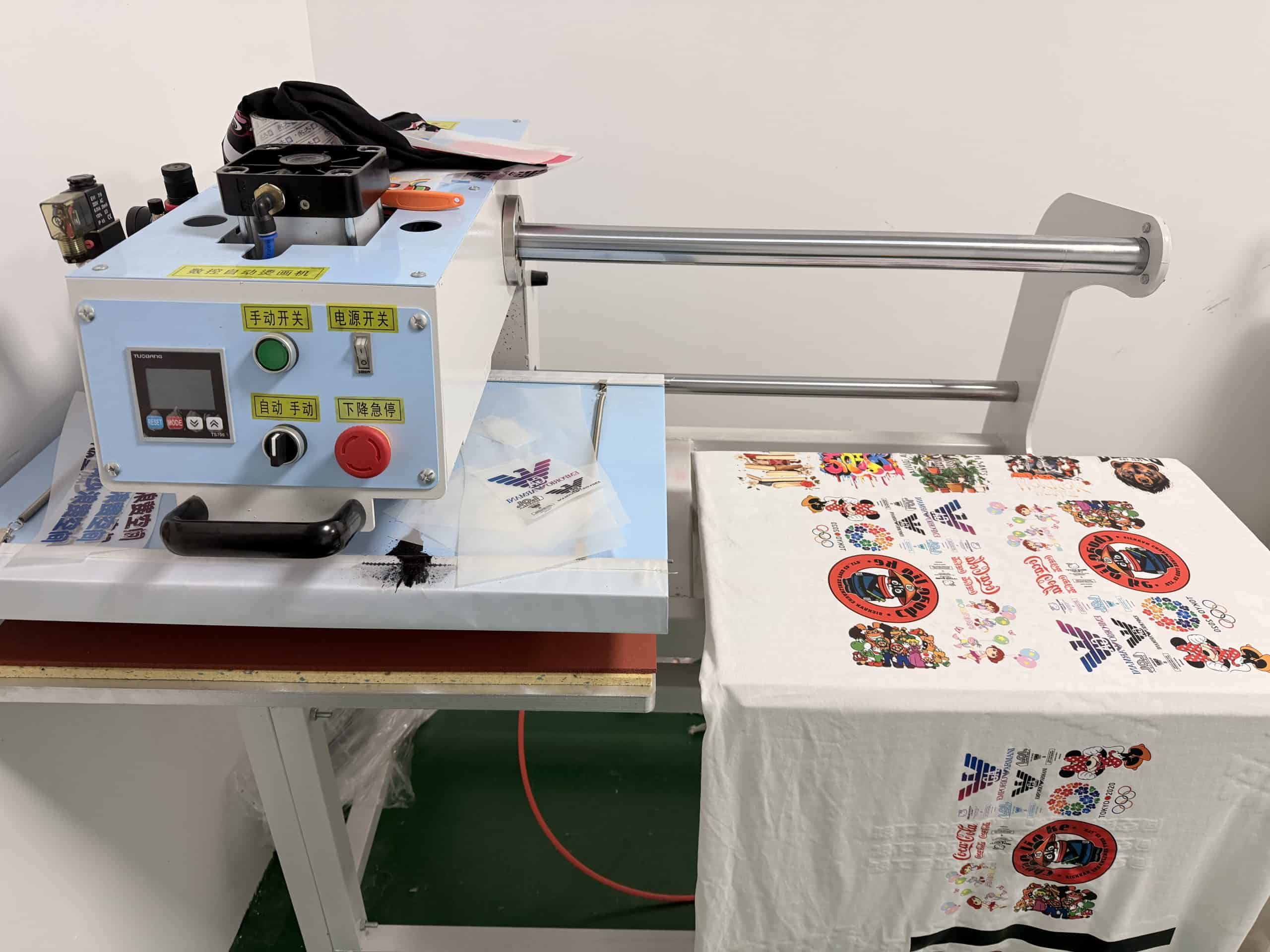
A lot of DTF film issues do not begin at the printer. They begin where the rolls are stored.
When film is kept in unstable conditions, the problem usually shows up later. Feeding may feel slightly different, peel behavior may be less predictable, or results may become inconsistent even though your settings were working fine a few days earlier.
Storage will not solve every print problem, but poor storage can easily make a stable setup feel unreliable -especially when variables like DTF hot melt powder and curing quality are also affecting consistency.
Here’s how to store DTF film without letting the room become another variable in production.
What shelf life really means for DTF film
Shelf life is rarely about a hard expiration date. What usually changes first is consistency. Over time, and especially in poor storage conditions, the film surface and coating can become less stable.
In normal shop conditions, you can usually expect:
- 6 months or more when the film is stored properly
- Less than that if rolls are left open in humid air, exposed to heat, or moved through frequent temperature changes
The more stable the environment, the more stable the film tends to be. f you need a quick reference, our DTF film FAQ includes shelf life and sample questions.
What matters most in storage: temperature and humidity
Temperature
Store DTF film in a cool, stable indoor space.
A good target is:
- Below 25°C
High heat can speed up changes in the coating and increase the chance of surface-related issues over time.
Humidity
In most shops, humidity causes more trouble than temperature.
A good target range is:
- 40%–60% RH
Once humidity stays above that range, the film and its packaging are more likely to absorb moisture from the air. That is often when consistency starts to drift, even if the rest of the workflow has not changed.
Where to store DTF film
Better storage locations
- A clean indoor room with stable air conditioning
- A cabinet or enclosed storage area with less exposure to humidity swings
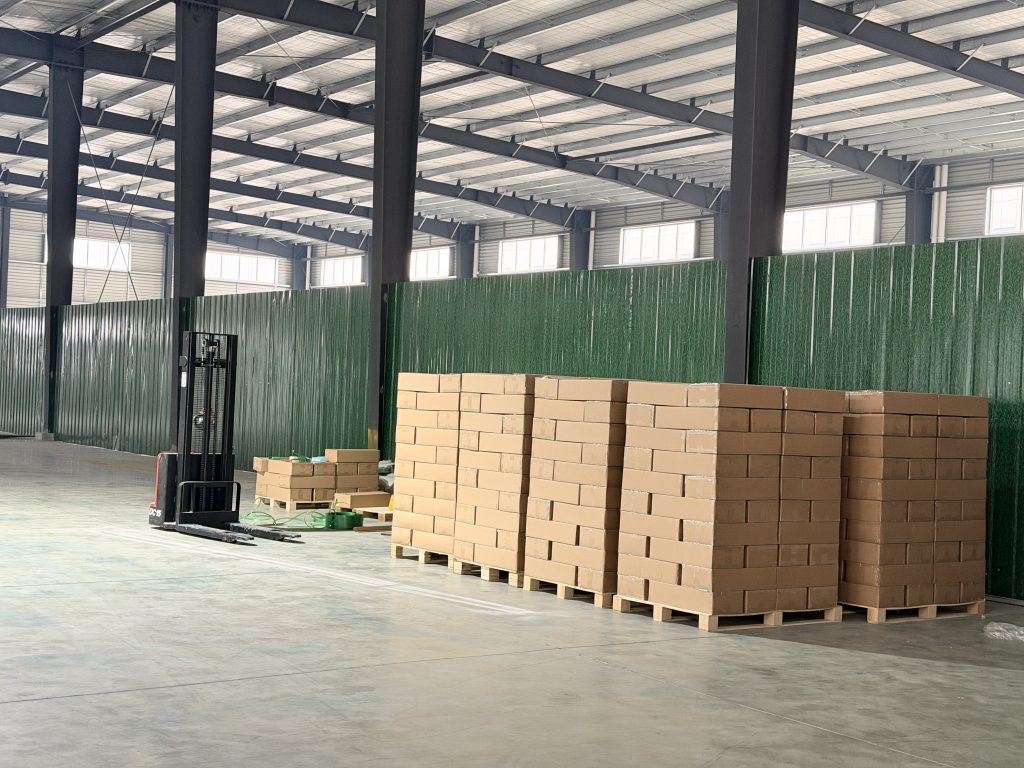
- A dry warehouse space away from entrances and constantly opening doors
Places to avoid
- Near windows, where sunlight and heat fluctuate
- Near a heat press, dryer, or curing area
- On the floor in a humid room
- Beside open doors, loading zones, or anywhere outside air changes throughout the day
Keep rolls sealed as much as possible
DTF film holds up better when it is not constantly exposed to air.
Good habits include:
- Keep rolls in the original packaging until you are ready to use them
- Reseal opened rolls if they will not be used soon
- Do not leave film unwrapped overnight during humid weather
- Avoid touching the printable side with bare hands, since oil and dust can affect the surface
These are small habits, but they remove a lot of avoidable inconsistency.
What to do after long shipping, especially sea freight
Long transit times can introduce moisture into the packaging, especially after sea freight or storage in changing temperatures.
If rolls arrive after a long shipment and the packaging feels questionable, do not move them straight into production. Put them in a controlled room first and let them stabilize before printing.
A safer approach is to let the rolls sit in an air-conditioned room for a short period before running large jobs. The goal is simple: let temperature and humidity settle before you judge how the film is performing.
Signs your DTF film may have absorbed moisture
Moisture problems do not always show up as obviously wet packaging. More often, they show up in production:
- Feeding feels less consistent than usual
- Static seems worse on some days
- Release or peel behavior becomes less predictable
- You keep adjusting settings to chase consistency
When those problems appear suddenly, it is worth checking storage conditions before blaming the printer. If feeding issues keep showing up, this guide on single-side vs double-side (anti-slip) DTF film may help you narrow down the cause.
A simple DTF film storage checklist
Daily
- Keep rolls off the floor
- Keep film away from heat sources
- Close or reseal packaging when the roll is not in use
Weekly
- Check room humidity with a hygrometer
- Make sure no rolls are sitting near sunlight, vents, or doors
- Keep the storage area clean and free of dust
Before a large job
- Use rolls that have been sitting in stable conditions
- Avoid mixing rolls that were stored in very different environments
If there’s one storage rule to prioritize
Control humidity.
Many shops can operate well with ordinary air conditioning and decent packaging habits. But in humid regions, storage humidity is often the reason film starts to feel inconsistent even when nothing else has changed.
Final note
Storage feels boring right up until it saves a roll, a job, or a full day of troubleshooting.
Keep DTF film cool, dry, and protected from major temperature and humidity swings, and you will usually get more consistent handling with fewer mystery problems on press.