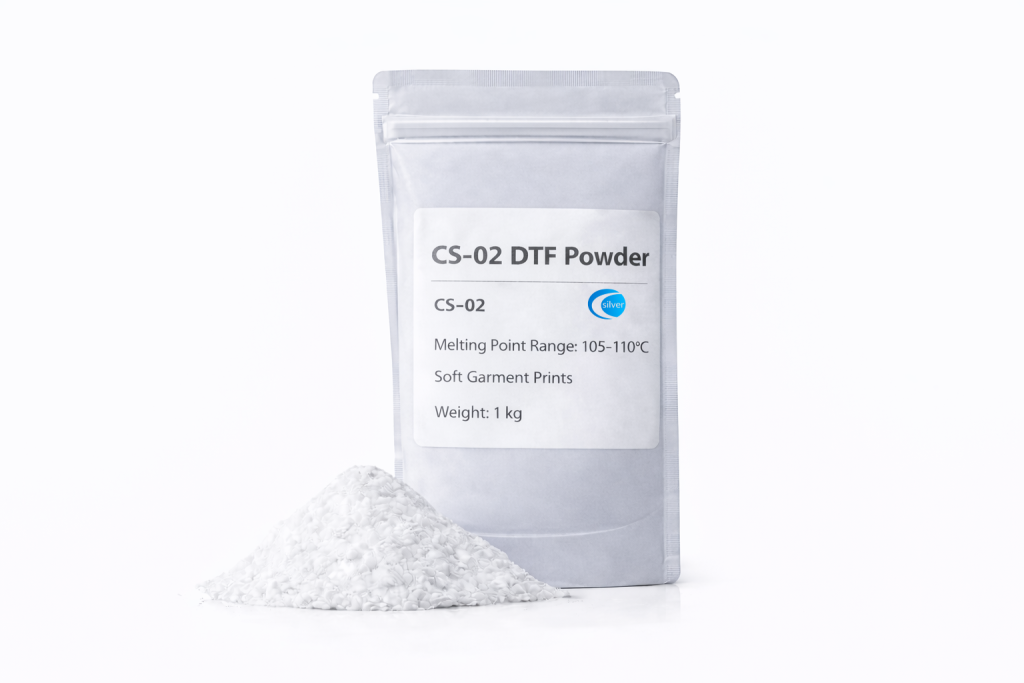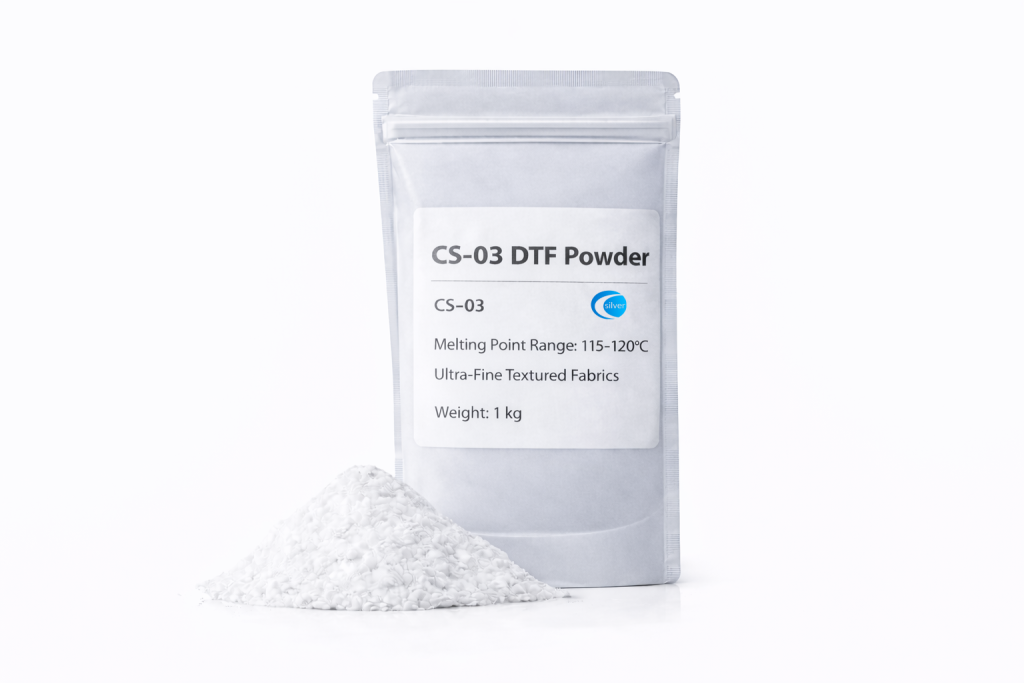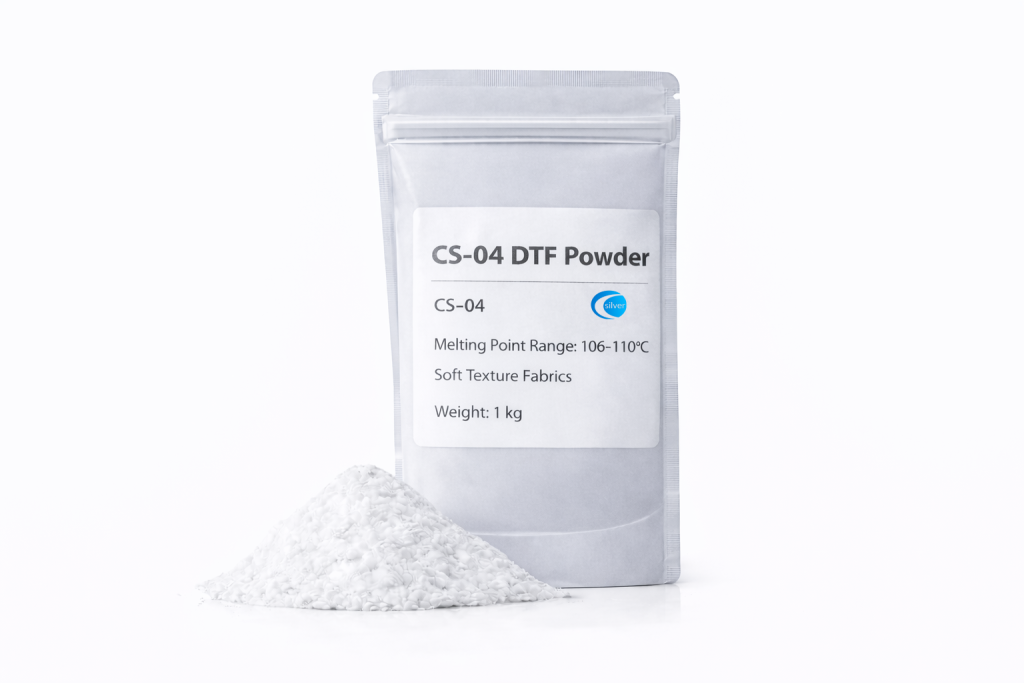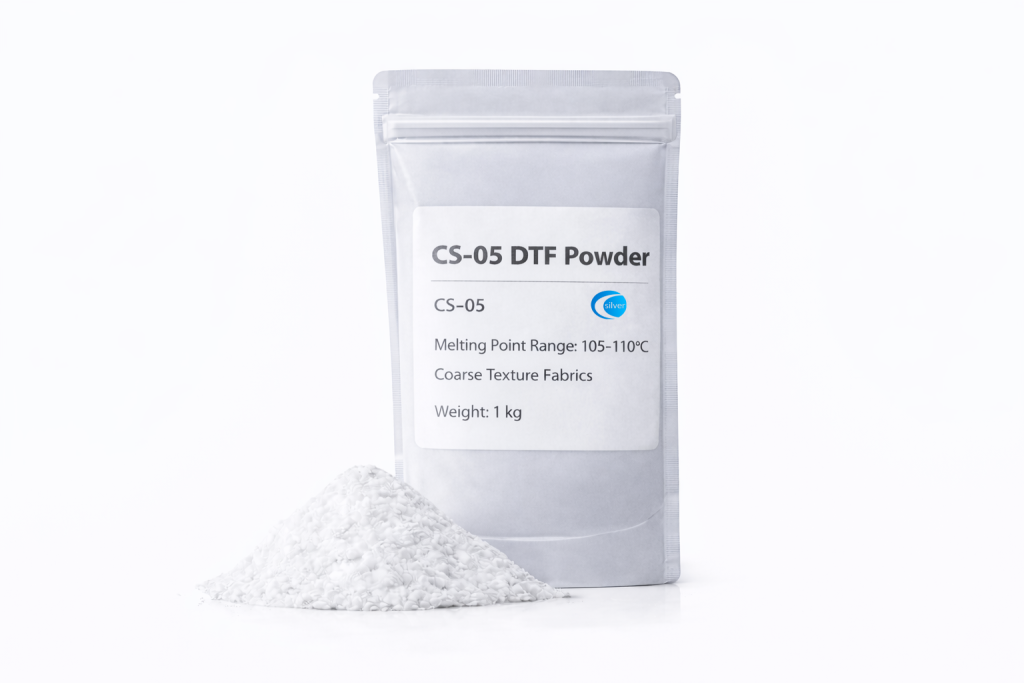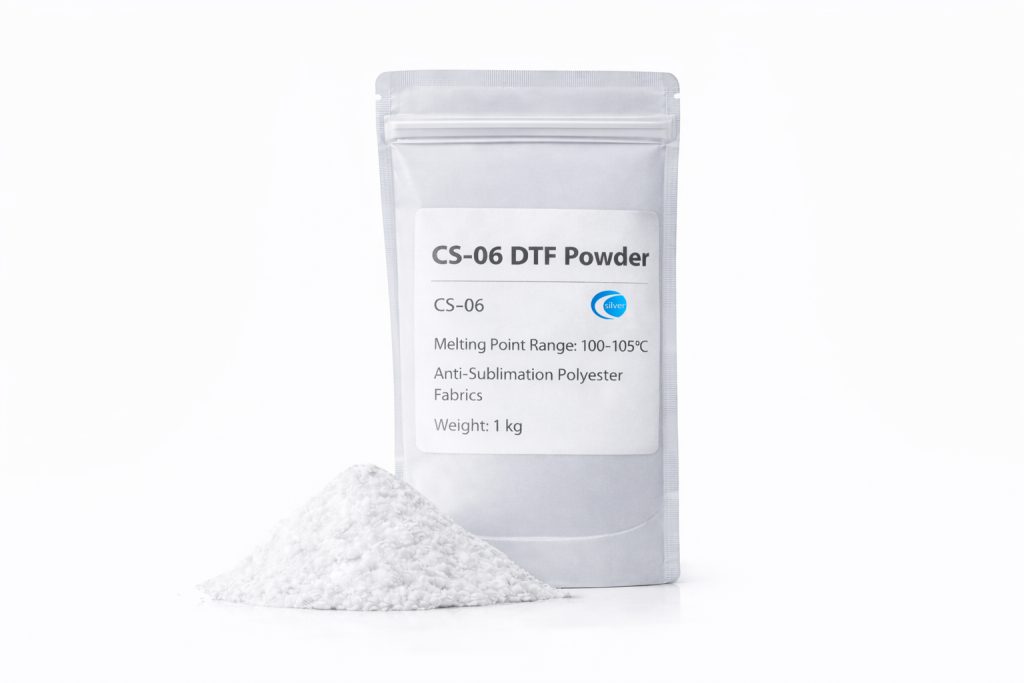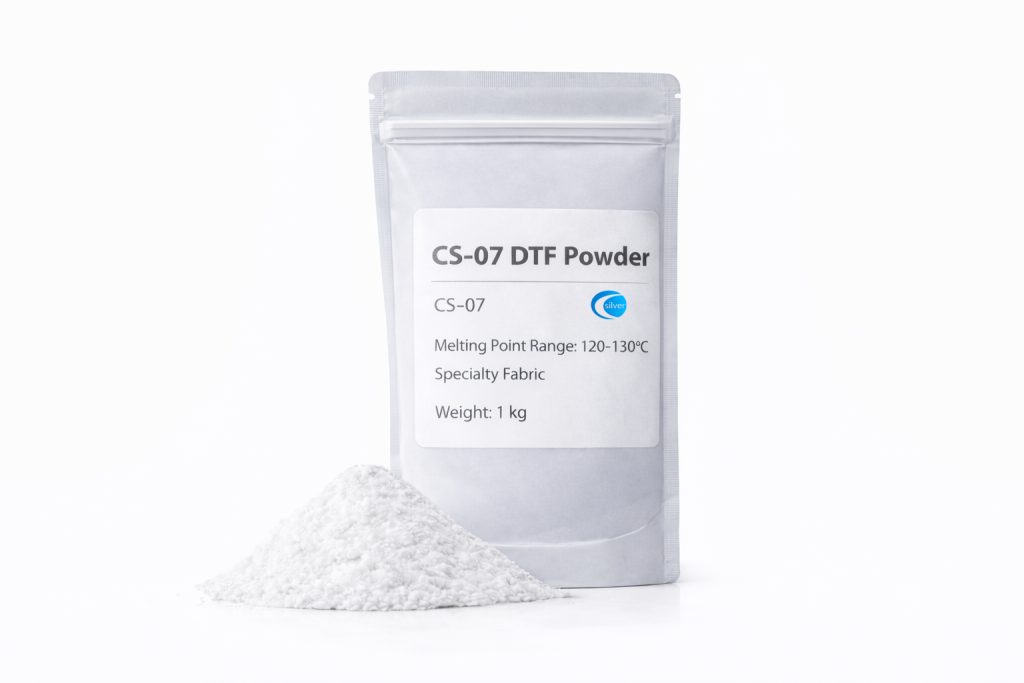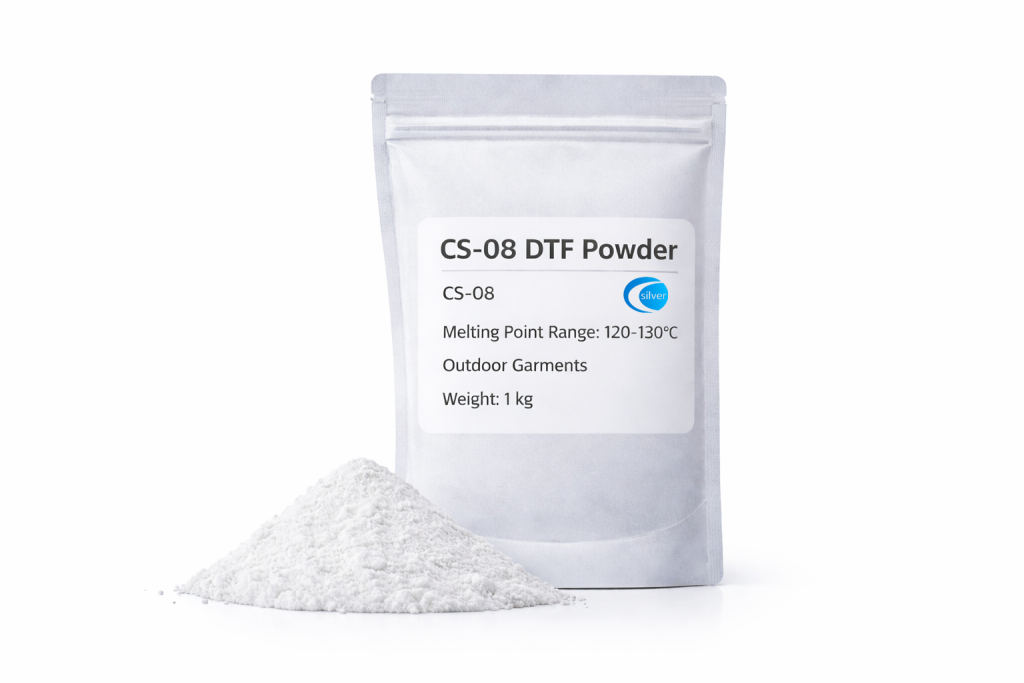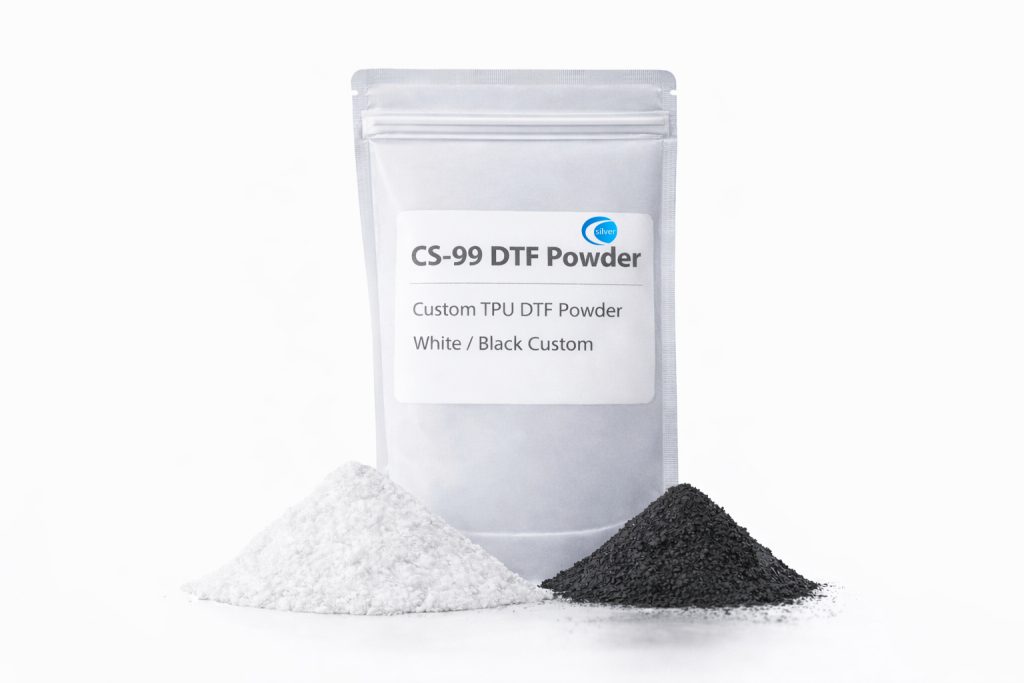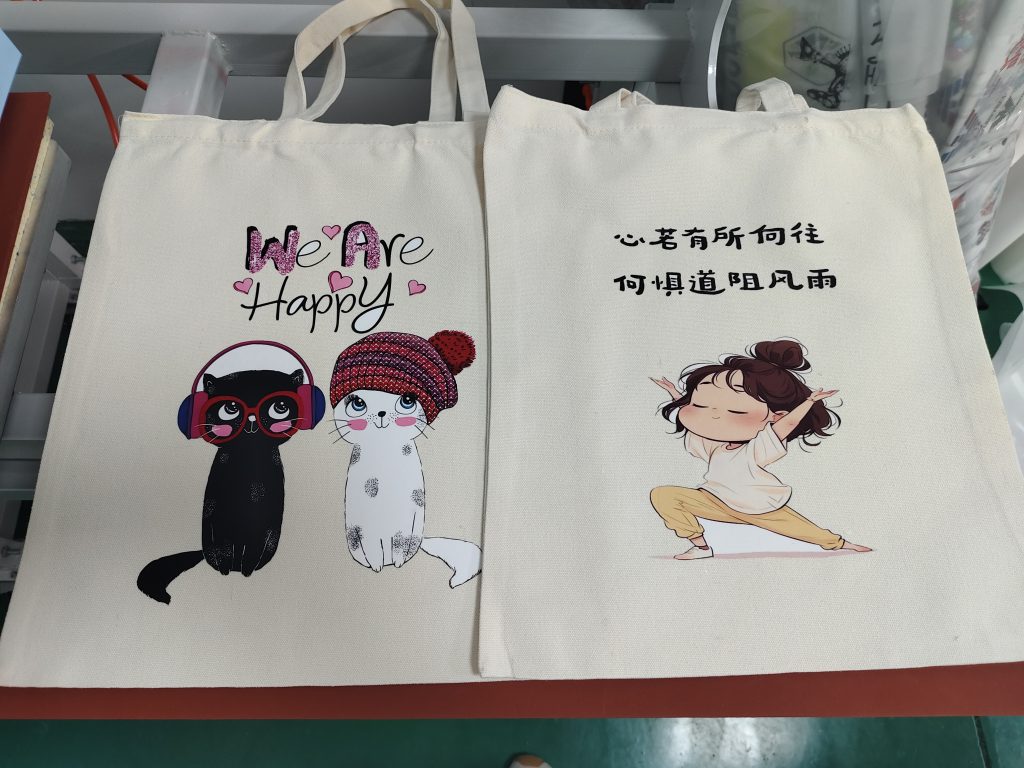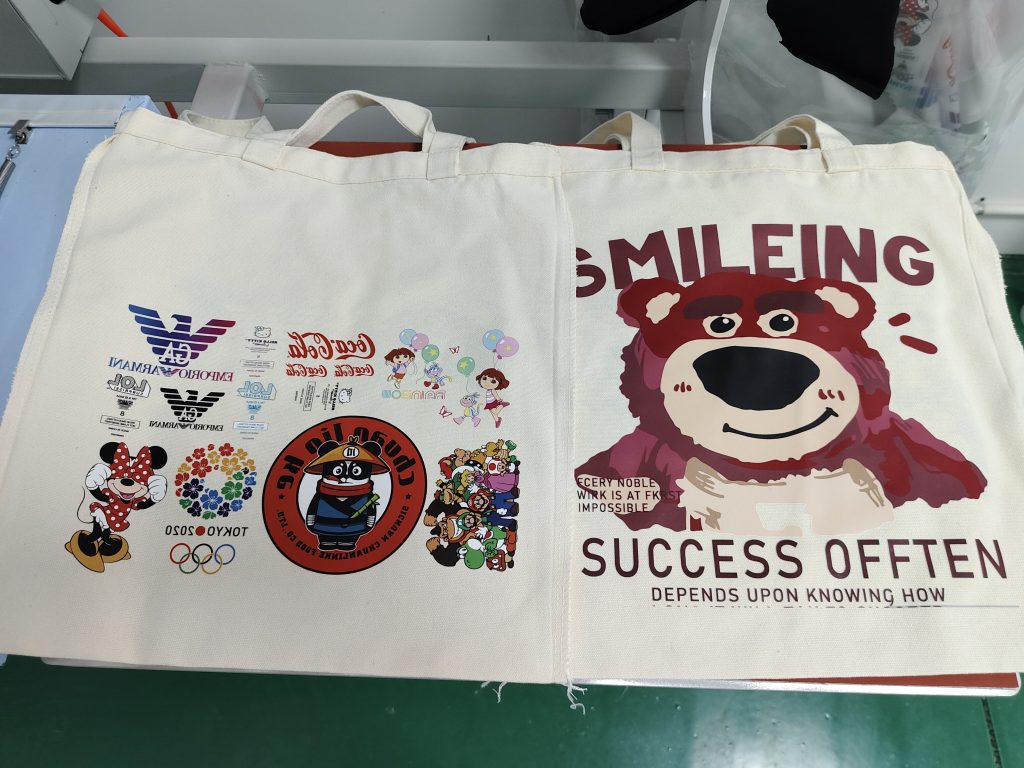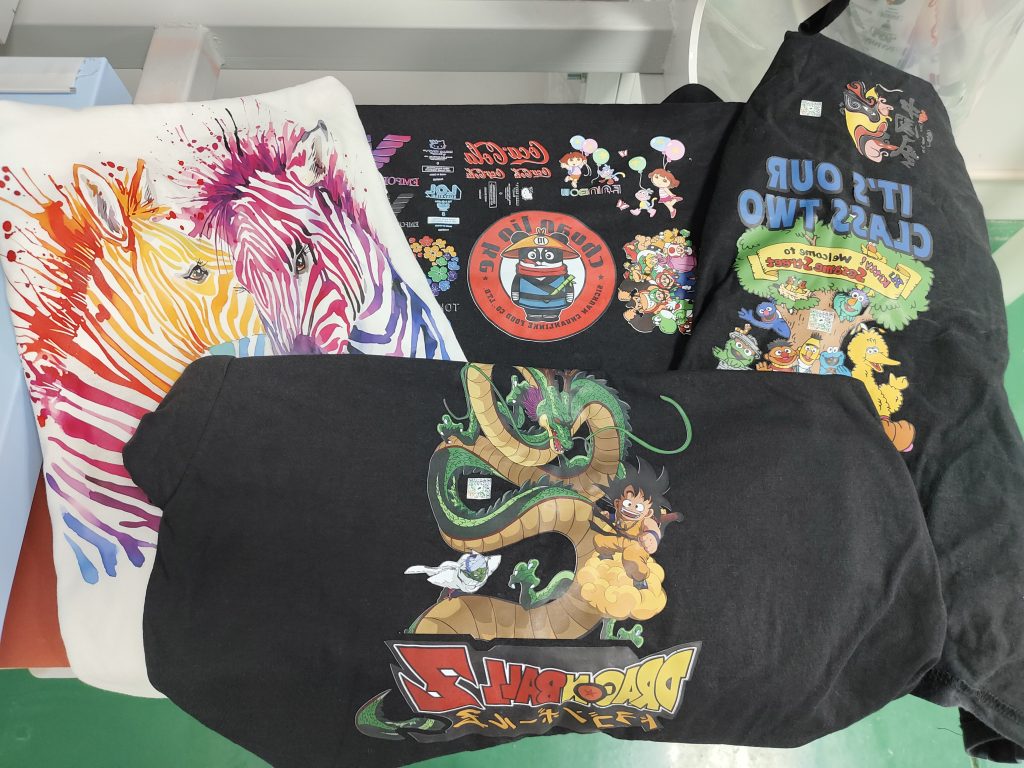
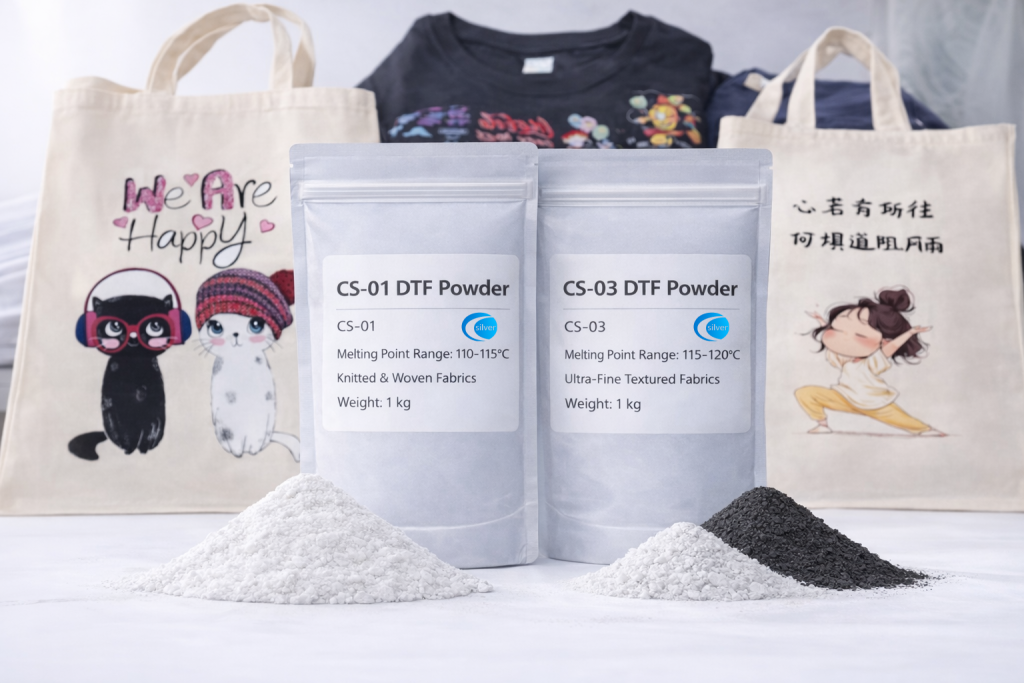
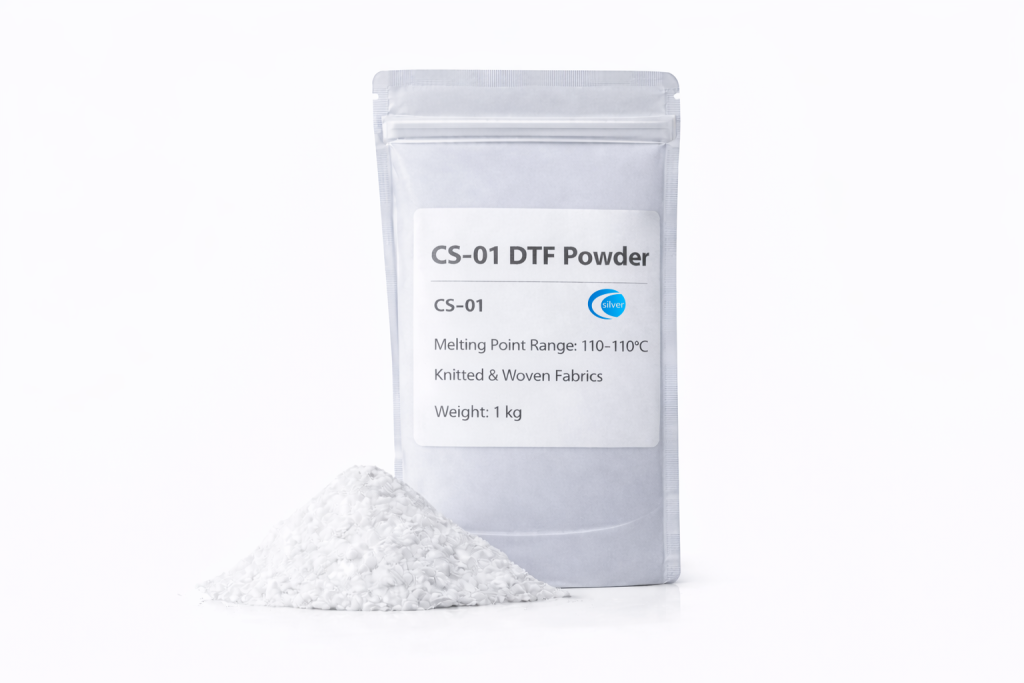
DTF powder directly affects the hand-feel, bonding strength, and wash durability of the final transfer. This page is both a product catalog and a buying guide so you can choose the right powder clearly and avoid mistakes.
We supply DTF hot-melt powder for different fabrics and production goals, including options for general production, fine details, coarse fabrics, and special applications.

30cm x 100m - DTF Transfer Film Roll - Any- time / Cold / Hot Peel | C-Silver

37cm x 100m - DTF Transfer Film Roll - Any- time / Cold / Hot Peel | C-Silver

60cm x 100m - DTF Transfer Film Roll - Any- time / Cold / Hot Peel | C-Silver

Custom Size - DTF Transfer Film Roll - Any- time / Cold / Hot Peel | C-Silver

30cm x 100m - DTF Transfer Film Roll - Any- time / Cold / Hot Peel | C-Silver

37cm x 100m - DTF Transfer Film Roll - Any- time / Cold / Hot Peel | C-Silver

60cm x 100m - DTF Transfer Film Roll - Any- time / Cold / Hot Peel | C-Silver

Custom Size - DTF Transfer Film Roll - Any- time / Cold / Hot Peel | C-Silver
In DTF printing, the design is printed onto PET film, then powder is applied to the wet ink. After curing, the powder becomes the adhesive layer that bonds the print to fabric during heat pressing. Powder choice impacts:
Good for daily production on common knitted and woven fabrics. Cost-effective for bulk output.
Better production stability and cleaner application. Often preferred when you print fine text and want a softer feel.
For ultra-fine texture fabrics and “lighter feel” requirements. Helps reduce heavy/glue feel when matched correctly.
For complex patterns, small letters, and sharp edges. Designed to hold fine details with stable bonding.
For canvas, coarse knit, and heavy textures. Strong bonding; typically thicker feel.
For some polyester fabrics where dye migration may occur. Recommended when color migration control is required.
For special materials and demanding environments (available on request).
White powder is common for most use. Black powder can be used for black fabrics or special requirements (available on request).
Fine
Standard
Coarse
Print the design onto PET film.
Apply powder evenly over the wet ink and shake off excess powder.
Cure the powdered film until the powder is melted and bonded.
Typical curing reference: 110–130°C (depends on powder type and your curing equipment)
Place the film on fabric and press. Peel the film according to your film type (hot / warm / cold).
To keep powder performance stable:
Store in a dry, cool environment
Keep bags sealed and moisture-proof
Reseal immediately after opening to prevent clumping
Powder can be used for a long time when stored properly in a dry, sealed environment. If you have specific storage conditions, ask us for recommendations.
A common reference range is 110–130°C, depending on the powder type and your curing equipment.
Most commonly due to moisture absorption or improper sealing after opening. Store powder sealed and dry.
Fully cured powder typically forms a uniform adhesive layer and transfers cleanly. If you see weak bonding or powder residue, curing settings may need adjustment.
With a suitable powder choice and correct curing/press settings, DTF transfers are commonly used on washable garments. Final durability depends on fabric, settings, and material selection.
Powder is part of the DTF process and is used after printing. Compatibility depends more on your overall workflow and matching film/powder/settings.
Send your requirements (film/ink/powder), specs, destination, and estimated volume — we reply within 24 hours.